 US
US
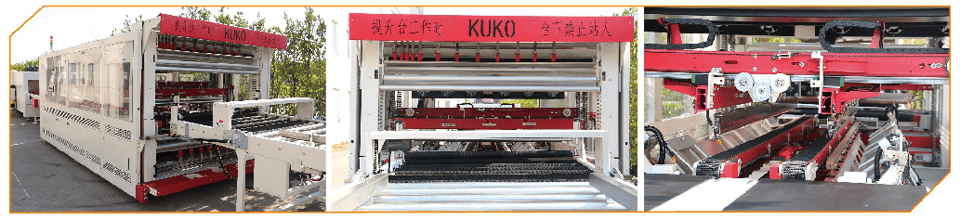
KUKO Debuts New Intelligent Packaging Gear at SWOP 2025
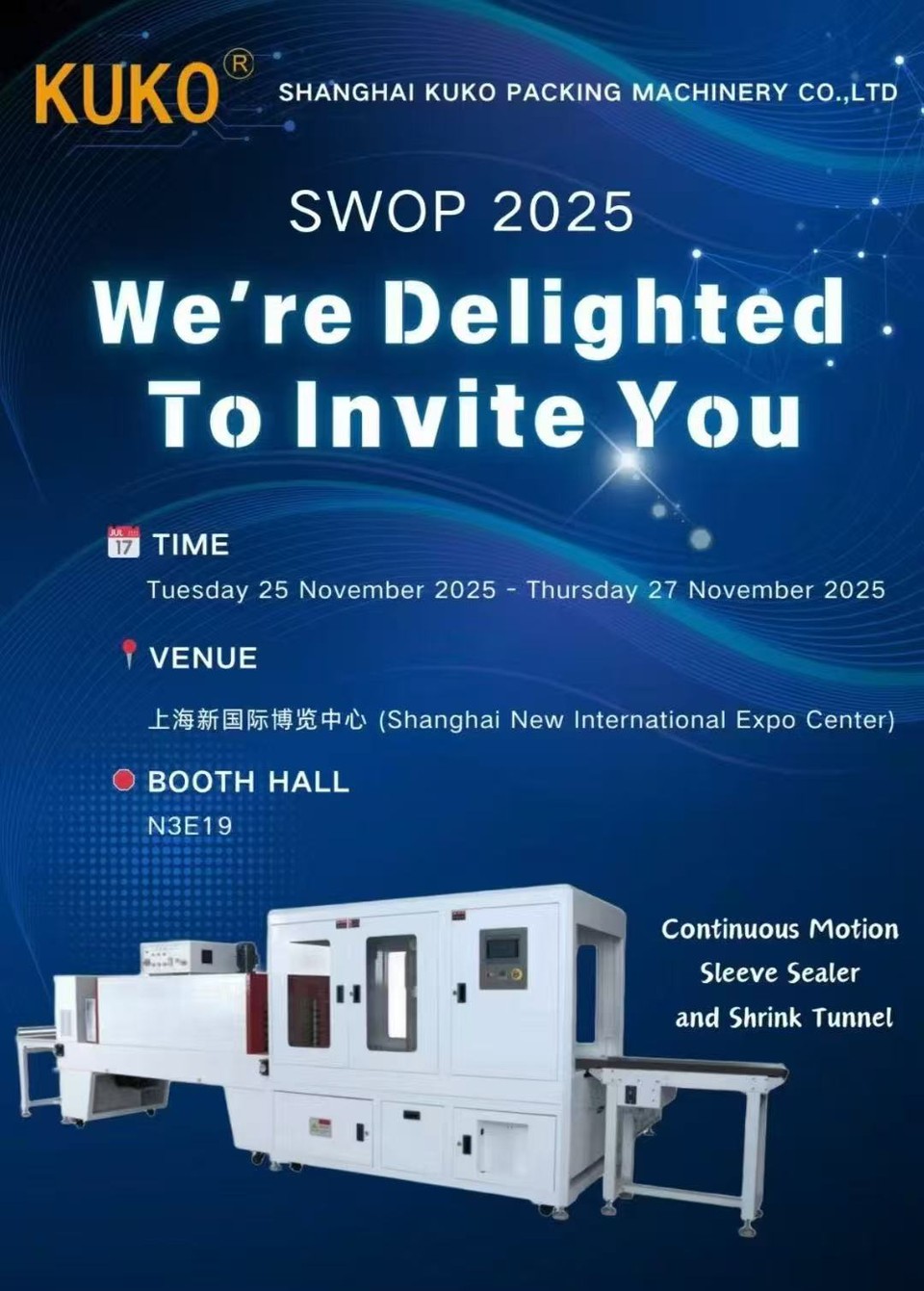
KUKO Debuts New Intelligent Packaging Gear at SWOP 2025
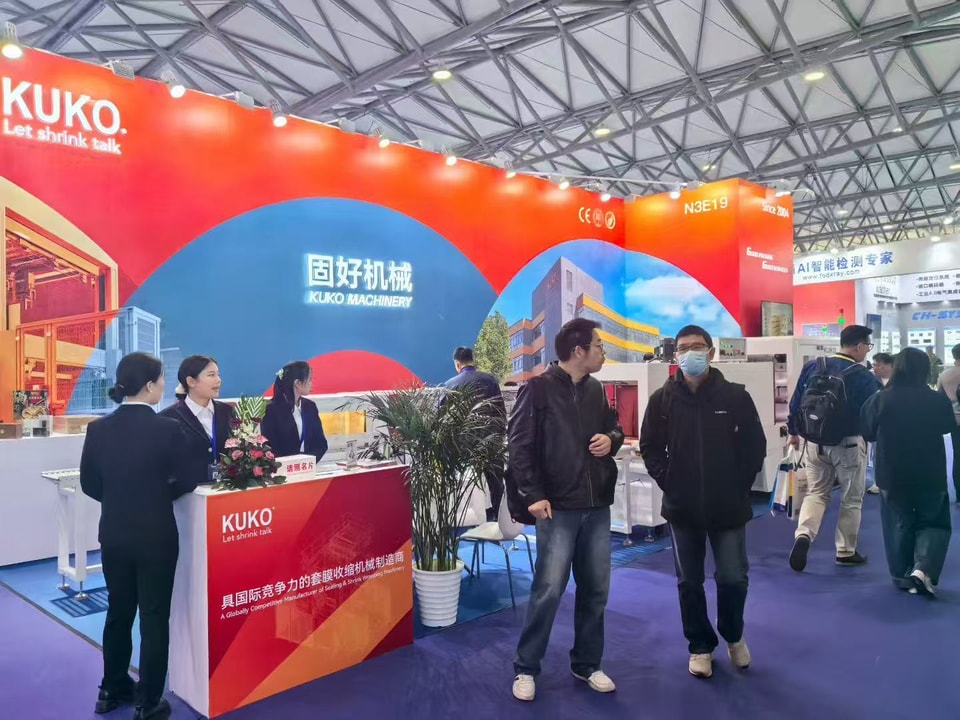
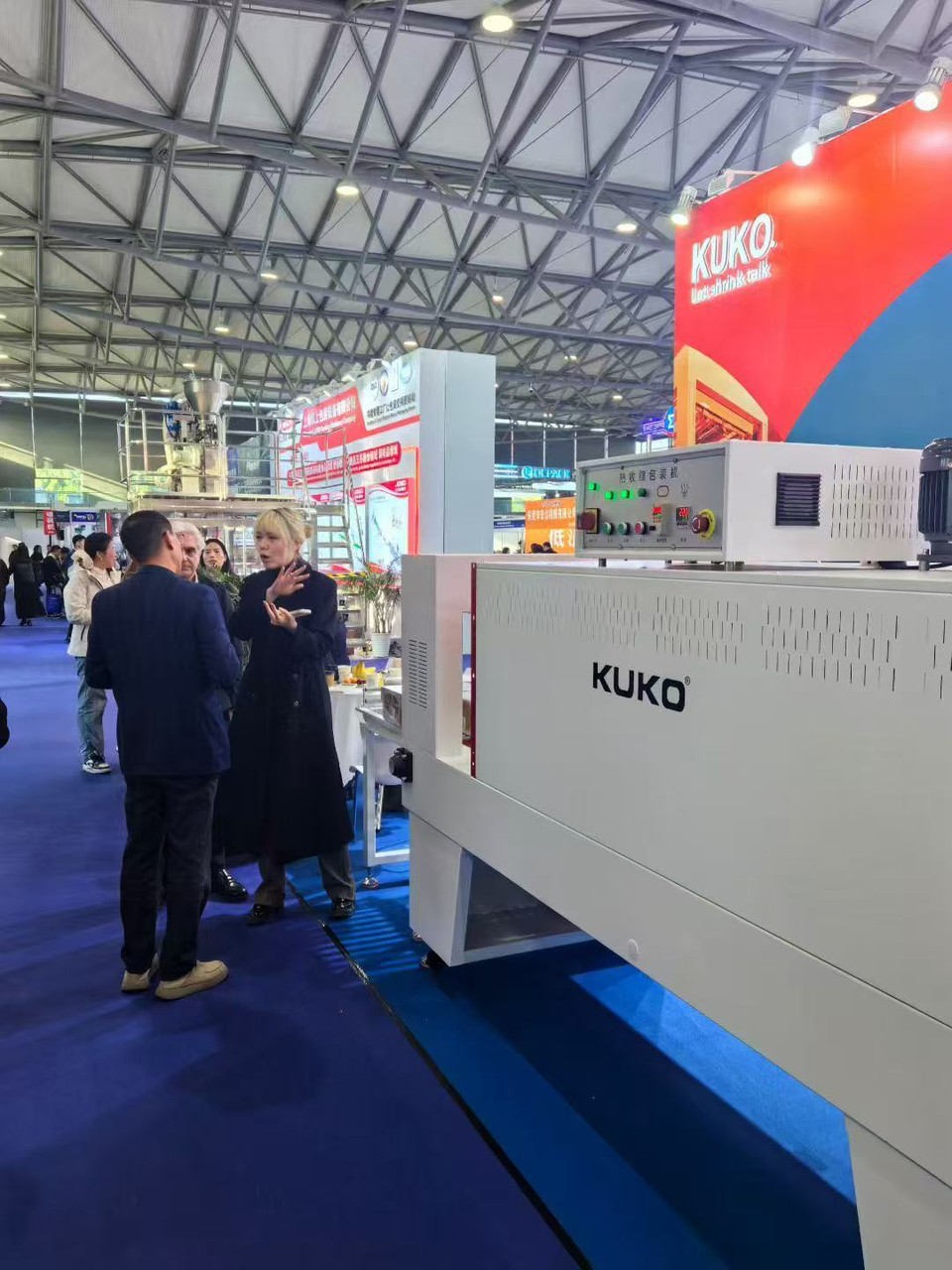
Shanghai, Nov 25, 2025 – KUKO presented its latest intelligent packaging equipment at SWOP 2025 held at Shanghai New International Expo Center (Booth N3E19) from Nov 25 to 27. As a leader in film wrapping and shrink packaging machinery, KUKO showcased high-speed, energy-efficient packaging solutions suitable for food, daily chemicals and pharmaceuticals, demonstrating its strengths in automated, green packaging.
As a benchmark packaging exhibition in Asia, SWOP gathers global industry innovations. KUKO’s team offered on-site demos and interactive experiences at the booth, aiming to connect with domestic and international partners, explore industry trends and enhance its global footprint.
"SWOP 2025 is key to KUKO’s global expansion," said Mr. Bi, head of KUKO. "We’re eager to showcase our innovative manufacturing capabilities, learn from global peers and create greater value for customers. We sincerely invite all industry participants to visit Booth N3E19 and witness KUKO’s technological innovations driving the industry forward!"
Turning a Trade-Show Demonstration into a Useful Evaluation
An exhibition run starts technical discussion, but should be observed against a defined sample and operating scenario. Visitors can record the product dimensions, film type and thickness, pack pattern, output, and the quality standard. Beyond a short stable sequence, ask how startup, stopping, film replacement, product gaps, and routine adjustments are handled. If different products are relevant, discuss which parts, settings, guides, or tools change and how changeover time would be measured during a later trial.
Questions for Line Fit and Daily Operation
For an automated packaging project, the machine cannot be evaluated in isolation. Buyers should map upstream product delivery and downstream discharge, including conveyor height, product orientation, accumulation logic, line speed signals, emergency-stop links, guarding boundaries, utilities, and available floor space. Ask which interface information can be supplied for engineering review and which assumptions still depend on the buyer’s site. Maintenance discussions should cover access for cleaning and inspection, wear-part identification, lubrication points, alarms, troubleshooting guidance, operator skill expectations, and the recommended spare-parts basis for the intended duty.
Confirm After the Show
Notes from the booth should become a written technical question list rather than an immediate performance conclusion. Request confirmation of the proposed configuration, sample responsibility, test method, acceptance criteria, interface ownership, documentation, training, installation support, and open technical risks. Any speed discussed should be tied to the actual product, film, pack format, and test conditions. A follow-up trial can then compare results consistently and document deviations. This disciplined sequence helps separate what was visible during the demonstration from what must still be engineered, tested, and agreed for the production line.


let shrink talk