 US
US
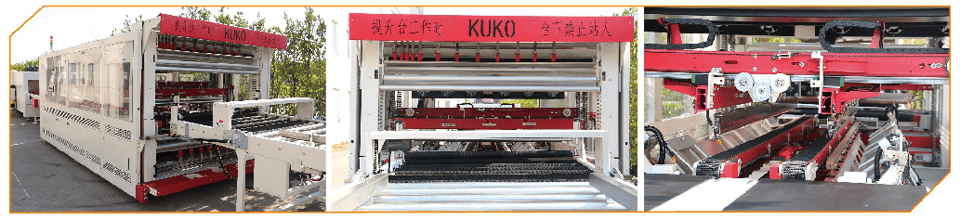
KUKO's Packaging Machine Listed as Shanghai Key Hi-tech Project
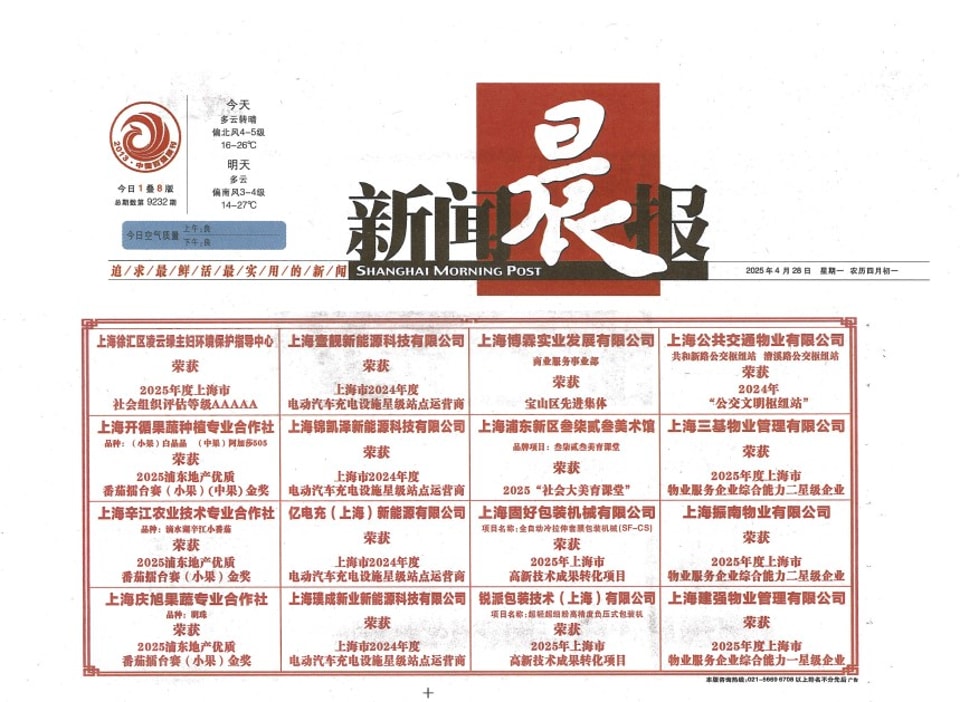
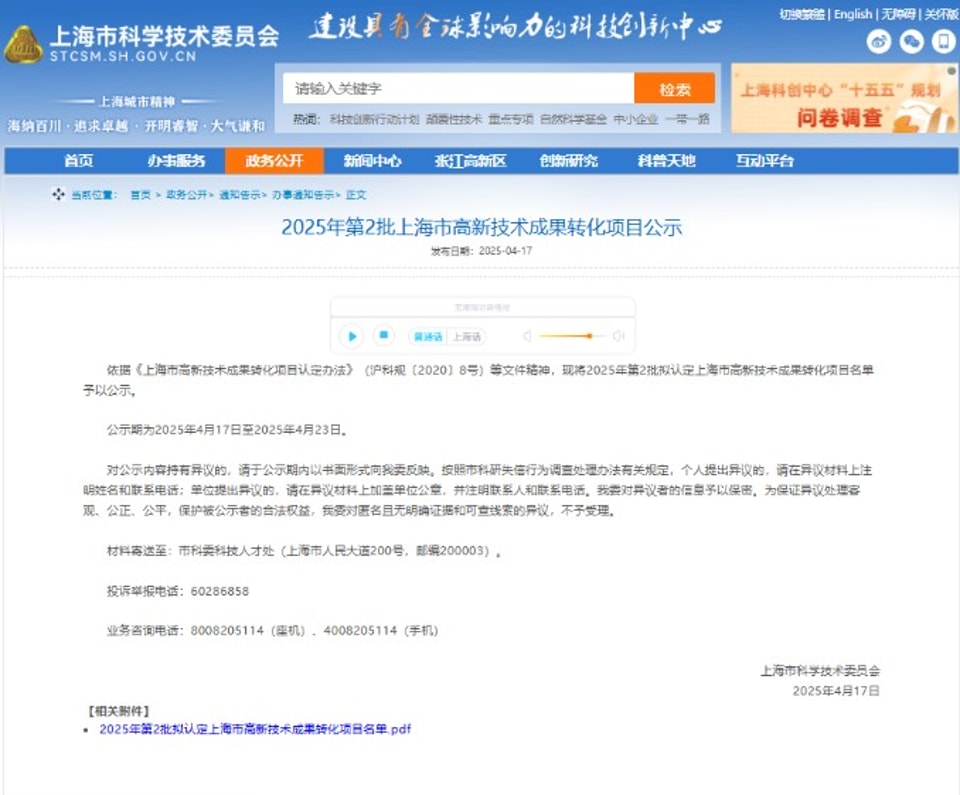
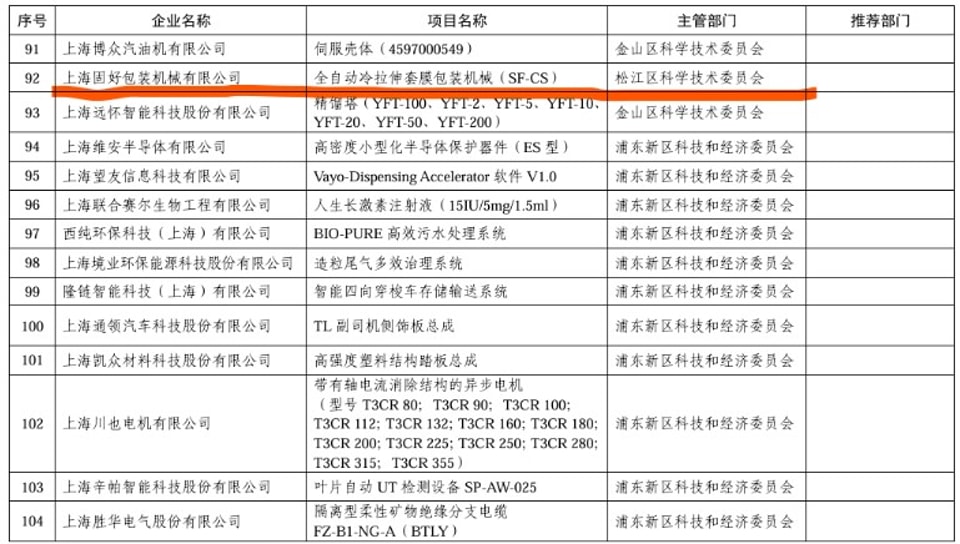
KUKO's Packaging Machine Listed as Shanghai Key Hi-tech Project
April 2025 – KUKO’s self-developed fully automatic cold stretch film packaging machine (SF-CS) was named a key municipal high-tech transformation project by Shanghai Science and Technology Commission. This green packaging flagship, featuring 70% energy reduction and near-zero logistics theft rate, represents KUKO’s independent high-end equipment technologies and offers a Chinese solution for global logistics packaging.
Core Innovations
70% lower energy consumption via physical stretching, replacing heat shrink technology
Near-zero theft risk with sealed, waterproof film packaging
Modular design fits 1.2-2.3m pallets, compatible with diverse goods
Applications & Impact
SF-CS serves leaders like CATL, covering PV, cross-border logistics, home appliance warehousing and 5G-enabled remote O&M. It cuts 20,000 tons of carbon annually (equivalent to 1.1 million trees). KUKO, EU CE-certified, exports to 160+ countries and counts Johnson & Johnson, L'Oréal as clients. It won "New Star Enterprise" in Shanghai's Songjiang District in 2024.
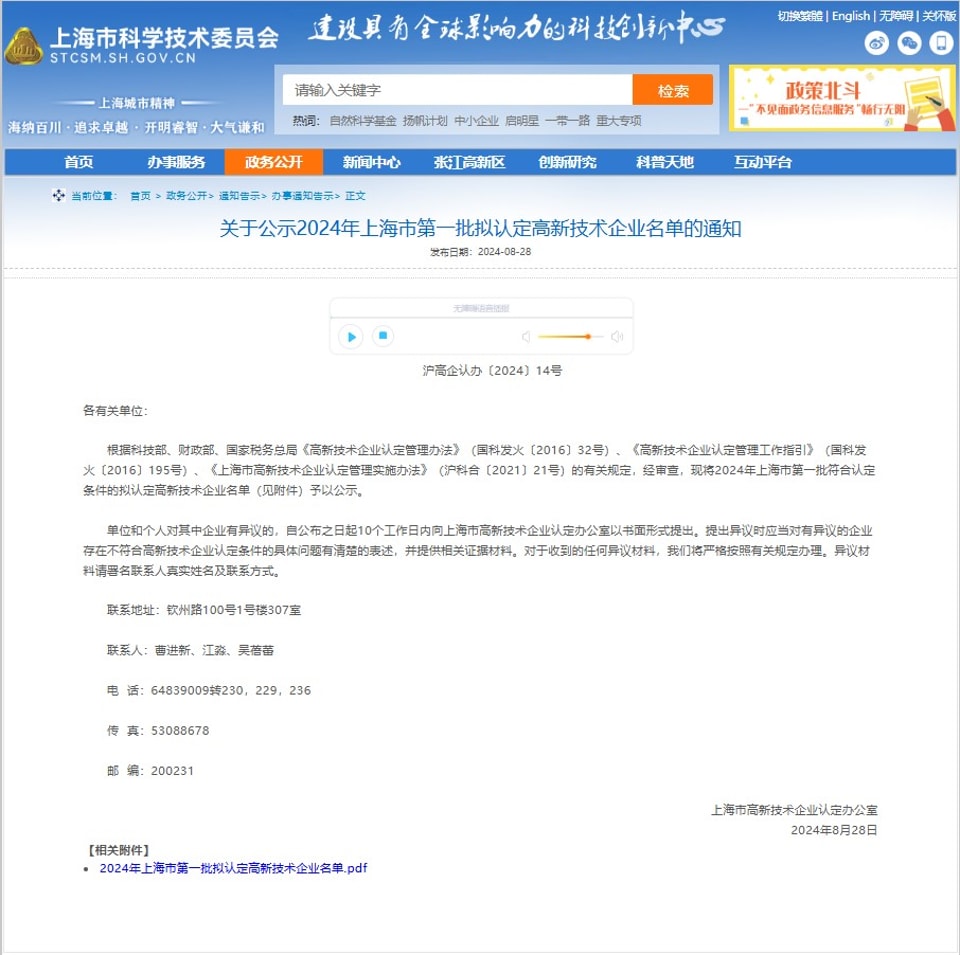
Project Recognition and Procurement Due Diligence Serve Different Purposes
Recognition as a high-tech transformation project provides context for the development described above, but does not replace evaluation against a buyer’s load, film, site, and acceptance requirements. The recognition and commercial technical review are separate evidence streams: one concerns the identified project; the other establishes whether the offered configuration suits a defined operation. Request a configuration statement, test plan, responsibility matrix, and assumptions before judging technical fit.
Define the Cold Stretch Application
Start with the load: record minimum and maximum dimensions, weight, stability, pallet condition, and edge or protrusion risks. Film discussions should identify the proposed material, width, thickness, stretch behavior, and who approves alternatives. The required packaging result should be described in observable terms, including coverage, containment, film integrity, and top or bottom treatment. Samples should represent difficult as well as routine cases.
Test Throughput and Stability Under Agreed Conditions
Cycle-time review should define timing boundaries and how stops, recovery, film changes, and product variation affect sustained operation. A planned trial can record completed loads, interruptions, alarms, adjustments, and packaging observations. Stability should be demonstrated through repeatable results, not inferred from a single successful cycle. Any performance statement retained from the project description should be checked against the exact test method and offered configuration.
Set Acceptance and Document Deliverables
Before order release, agree factory and site acceptance criteria, sample responsibility, measuring methods, utilities, interfaces, safety review, and handling of deviations. Documentation may include approved drawings, component and spare-parts lists, operating and maintenance instructions, software or parameter backups where applicable, inspection records, and final test reports. Assign owners and revision status to every deliverable.


let shrink talk